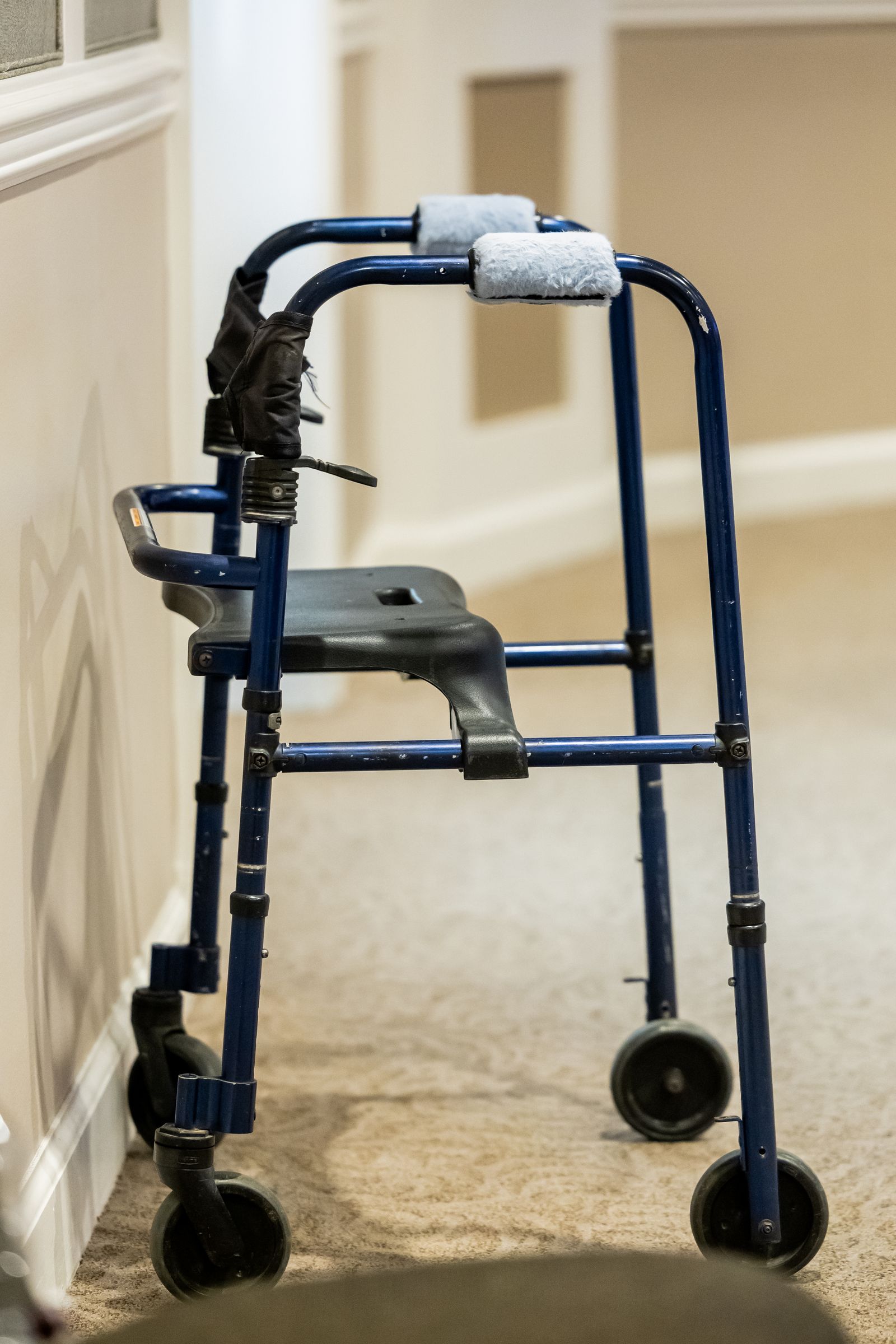
Start with the definitions, because everything else follows from them. Title 22 section 87101(a)(7) defines an ambulatory person as someone capable of demonstrating the mental competence and physical ability to leave a building without assistance of any other person or without the use of any mechanical aid in case of an emergency. Section 87101(n)(2) defines a nonambulatory person as someone unable to leave a building unassisted under emergency conditions, and it specifically includes people who depend on crutches, walkers, or wheelchairs, as well as people unable, or likely to be unable, to respond physically or mentally to a sensory signal approved by the State Fire Marshal or an oral instruction about fire or other danger, and to take appropriate action if unassisted. That likely to be unable phrasing matters, because it sweeps in more residents than owners expect.
These definitions are about evacuation, not care
Notice what these definitions are actually about. They are not about medical acuity, diagnosis, or how much care someone needs. They are about evacuation. A resident who walks well but cannot understand a fire alarm is nonambulatory under this definition, and so is a resident in a wheelchair who could not self evacuate. Owners who treat these words as care levels get their fire clearance wrong.
Bedridden is its own category
Bedridden is its own category, defined in Health and Safety Code section 1569.72(b)(1) as requiring assistance in turning and repositioning in bed, or being unable to independently transfer to and from bed, except in a facility with appropriate and sufficient care staff, mechanical devices if necessary, and safety precautions, as determined by the director in regulations. Note the separate exception in section 1569.72(a)(2) for a temporary illness or recovery from surgery, which section 1569.72(d)(1) defines as an illness persisting 14 days or less, extendable with a physician’s documentation. A resident recovering from surgery for a week is not a bedridden resident for planning purposes.
What your fire marshal will ask for
In practice, expect your fire marshal to want each resident room labeled with the ambulatory status of the people who will sleep in it, because requirements usually change room by room. Some jurisdictions publish one set of guidelines for homes serving only ambulatory residents and a separate, stricter set for homes serving nonambulatory or bedridden residents, so find out which one applies to you before you buy a house. Decide who you want to serve first, because that decision determines what the building has to be. NCPI helps owners make that call and then completes the entire facility application for $999, the most affordable in California, with 30 years of family experience. Call or text 619-322-9578 or email contact@ncpicare.com.