Can You Have Two RCFEs on the Same Property in California?
One of the questions I hear most often from people who want to open an RCFE, or from administrators who are already licensed and thinking about expanding, is whether it’s possible to operate two RCFEs on the same lot. This question comes up frequently now that ADUs and multi-structure properties are becoming more common throughout California.
At first, many people assume the answer is simple. If there are two buildings, then there should be two licenses. In practice, it does not work that way.
A common misunderstanding is believing that the number of structures on a property determines how many RCFE licenses you can have. Licensing decisions are not based on buildings alone. What matters most is how the property is legally identified and how the operation is licensed.
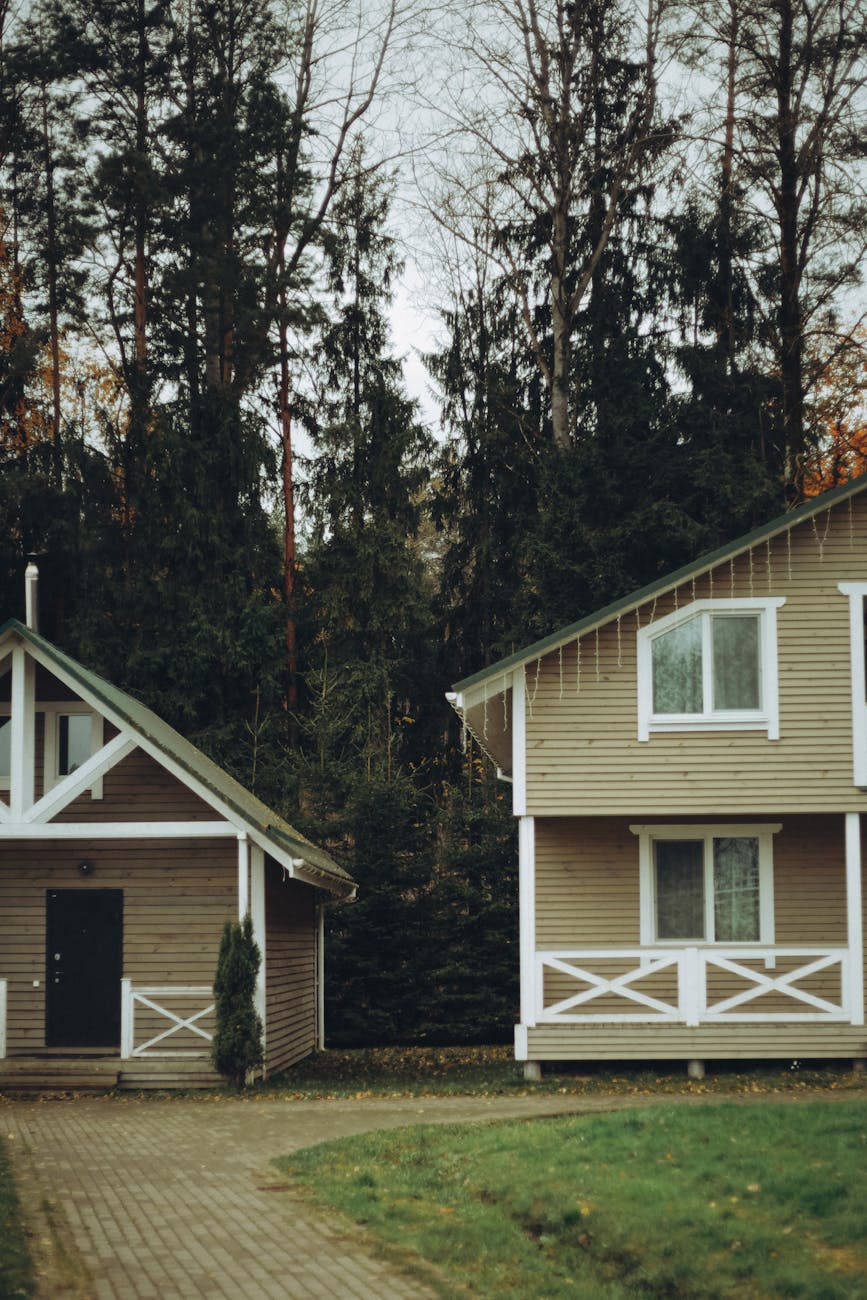
When two homes or structures are on the same lot and share the same address, the Department treats the entire property as one RCFE. Even if the buildings are separate, they are still considered part of a single licensed operation. In this situation, applying for a second RCFE license is not an option. The additional structure is treated as an expansion of the existing facility.
Because of this, the only lawful way to move forward is to increase the licensed capacity of the current RCFE. Under Title 22 §87161, any increase in capacity requires the licensee to resubmit a license application and receive approval before admitting additional residents. This process involves a full review of the operation, including the physical layout, fire clearance, staffing, and overall compliance.
From the Department’s perspective, the property is now one larger RCFE, and the administrator is responsible for the expanded operation as a whole.
The situation is different when the additional home or unit has its own legally assigned address, even if it is located on the same parcel of land. In that case, it may be possible to apply for a separate RCFE license. If approved, this results in two independent facilities, each with its own license, capacity, inspections, and compliance requirements. This approach is fairly common in California, especially when an ADU has been formally assigned a separate address.